
Disability Pride Month 2026
When the most important part of going out for dinner isn’t how good the food is, but how quiet the restaurant is, you see the world differently. My parents recently visited me from the USA, and my mother is hard of hearing, meaning we are constantly thinking about the accessibility before the activity. This is her everyday life, but it reminded me that accessibility is often found in the small decisions we make every day.
Disability Pride Month provides an opportunity to reflect on these different experiences and recognise the many ways disabled people navigate, contribute to and shape the world around us. This month means different things to all D/deaf, disabled and neurodivergent people. For some it is a celebration, a time to be proud of who you are and what you bring to the world. For others, it is still rooted in protest. (For clarity, Disability Pride Month is not synonymous with LGBTQ+ Pride, this is simply Pride in Disability.) Closely associated with the passing of the Americans with Disabilities Act in the USA in 1990, the now globally celebrated Disability Pride Month is a way to raise awareness for disabilities and spotlight disabled people who bring much needed perspectives. This month reminds us to re-evaluate how we make our work inclusive for everyone.
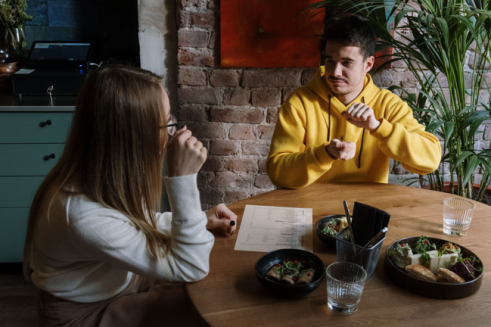
When you hear inclusion and disability awareness, it might seem like grand gestures are needed to be helpful. My time spent with my mother, alongside the many DPF service users who identify as D/deaf, disabled or neurodivergent, reminds me that inclusion is often found in the smaller gestures. Using American Sign Language, searching for quiet corners at restaurants, requesting captions on TVs at pubs, repeating missed jokes, and more; these are examples of small actions that help create a more welcoming environment. If we don’t look around or have someone in our life that reminds us to, we may not realise the much larger impact these small gestures can have.
While these small adjustments matter, barriers still exist at a structural level. According to the most recent Arts Council England data in Arts Professional, ‘only 7% of the dance workforce identifies as disabled’, compared to 22% of the population of England. This shows a clear discrepancy that needs addressing. We are always happy to adapt how people work with us or access our resources, but the larger change won’t simply come from one statement. Progress is made through policy, funding and advocacy, but it is also made through everyday actions. It comes from the captions on the pub TV, the alternative application formats available, the quiet corners at restaurants, the willingness to adapt, and the collective change in who we see represented in positions of power and who we are led to believe can be a professional dancer.
This Disability Pride Month, we celebrate disabled people and their contributions to our communities, while continuing the work of creating a dance sector where everyone can participate and thrive. Sometimes the most meaningful forms of inclusion are the ones that go unnoticed by everyone except the people who need them.


